Dice-Driven Revolution: Charting the Evolution from Programmed Movement to Chaotic Strategy
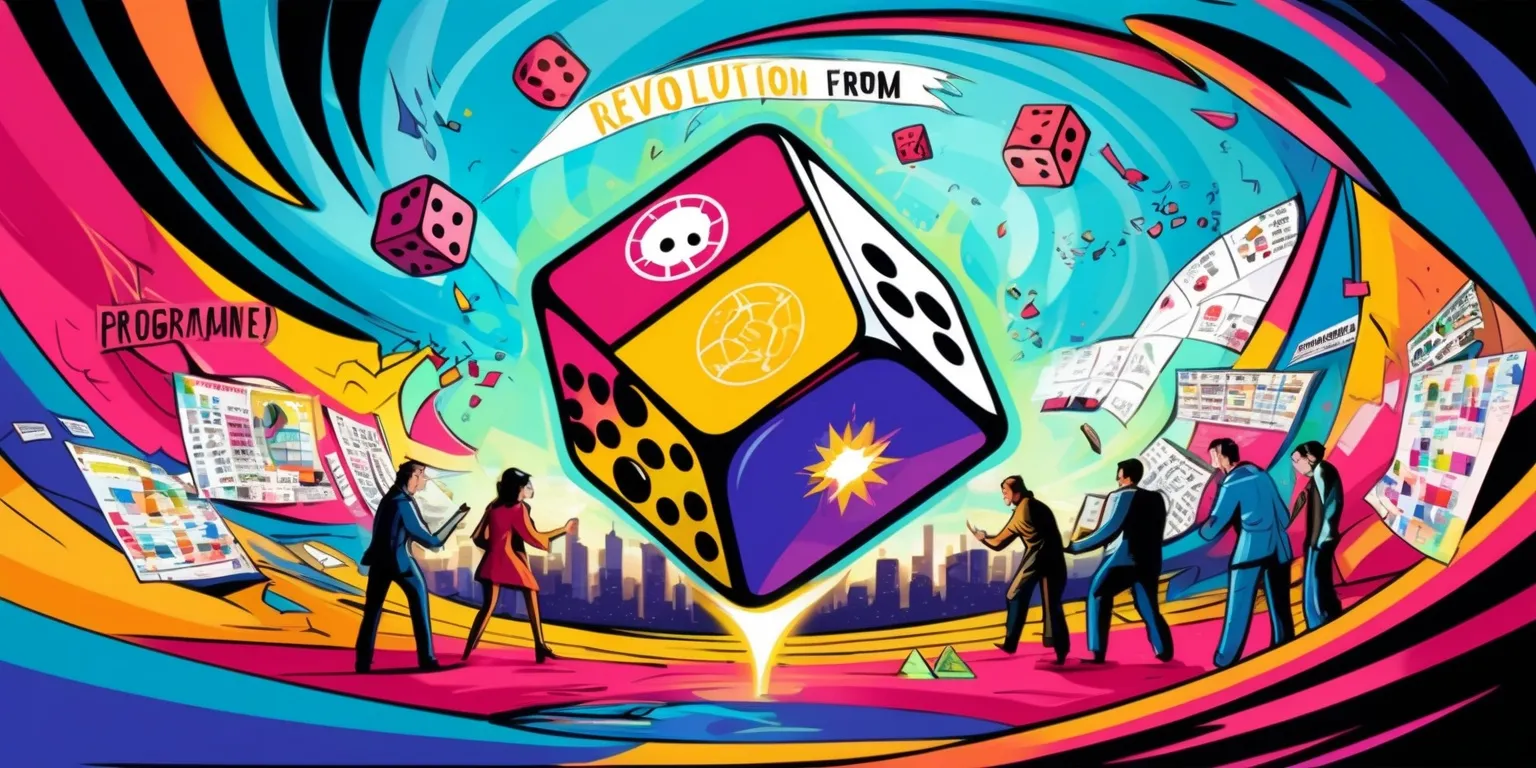
This game adventure began with innovative roots and has evolved into an intricately layered experience that pushes traditional boundaries with a fresh twist. Drawing on decades of legacy from its predecessor, this title reimagines the excitement of programmed movement games by introducing unpredictable elements that challenge both strategic planning and quick reflexes. As players step into its vibrant, hazard-filled world, they encounter a fascinating blend of retro aesthetics and modern gameplay mechanics. The charm of its handmade tokens, custom dice, and rapidly shifting board effects invites players to experience a dynamic interface where every move blends calculated risk with the thrill of unexpected outcomes, setting the stage for an engaging journey that ignites enthusiasm in both dedicated supporters and fresh faces alike.
Innovative Origins and Enduring Legacy
Emerging in the mid-90s, this game owes its heritage to groundbreaking ideas that redefined programmed movement. Its lineage traces back to visionary designs that captivated fans with a blend of tactical planning and programmed robot maneuvers through a perilous factory environment. Over the decades, the game has attained a cult-like following as enthusiasts rallied around its distinctive combination of futuristic themes and mechanical whimsy. While it echoes the classic foundation of its forerunner, this new variation introduces modern twists that refresh the experience without abandoning the charming chaos that defined early play sessions. The legacy of daring innovations stands as a testament to the mix of humor, challenge, and inventive design that continues to captivate players worldwide.
Fresh Mechanics and Dice-Driven Strategy
This iteration pivots sharply from its traditional roots by replacing the usual card-based program with a sophisticated dice system. The transition to custom dice imbued with unique symbols creates a novel framework for decision-making that maintains the spirit of strategic pre-planning. Players meticulously collect dice to form their move sequences, adding an engaging layer of risk management that compels them to balance speed with careful thought. Instead of drawing and playing predetermined cards, participants actively assemble a personalized set of movement commands, steering their robots across an ever-shifting board. With each roll, There is an unmistakable wave of expectation that transforms tactics into an art form, where calculated risk can lead to dramatic shifts in the race’s outcome.
Component Craftsmanship and Tangible Feel
The production quality of this game is a study in contrasting textures and thoughtful details. While some elements like the cardboard tokens and thin boards evoke a minimalist charm, they also inspire a sense of nostalgia among longtime players. In contrast, the robust, modular map sections reflect modern manufacturing techniques, even as they present minor quirks such as slight curvature upon handling. The game’s tangible components bring its thematic world to life, striking a balance between retro design and contemporary quality standards. Every physical element, from the engraved wooden tokens to the carefully weighted dice, contributes to an immersive play experience that appeals to both collectors and serious strategists, making the tactile dimension a critical piece of the overall game puzzle.
Expressive Characters and Whimsical Design
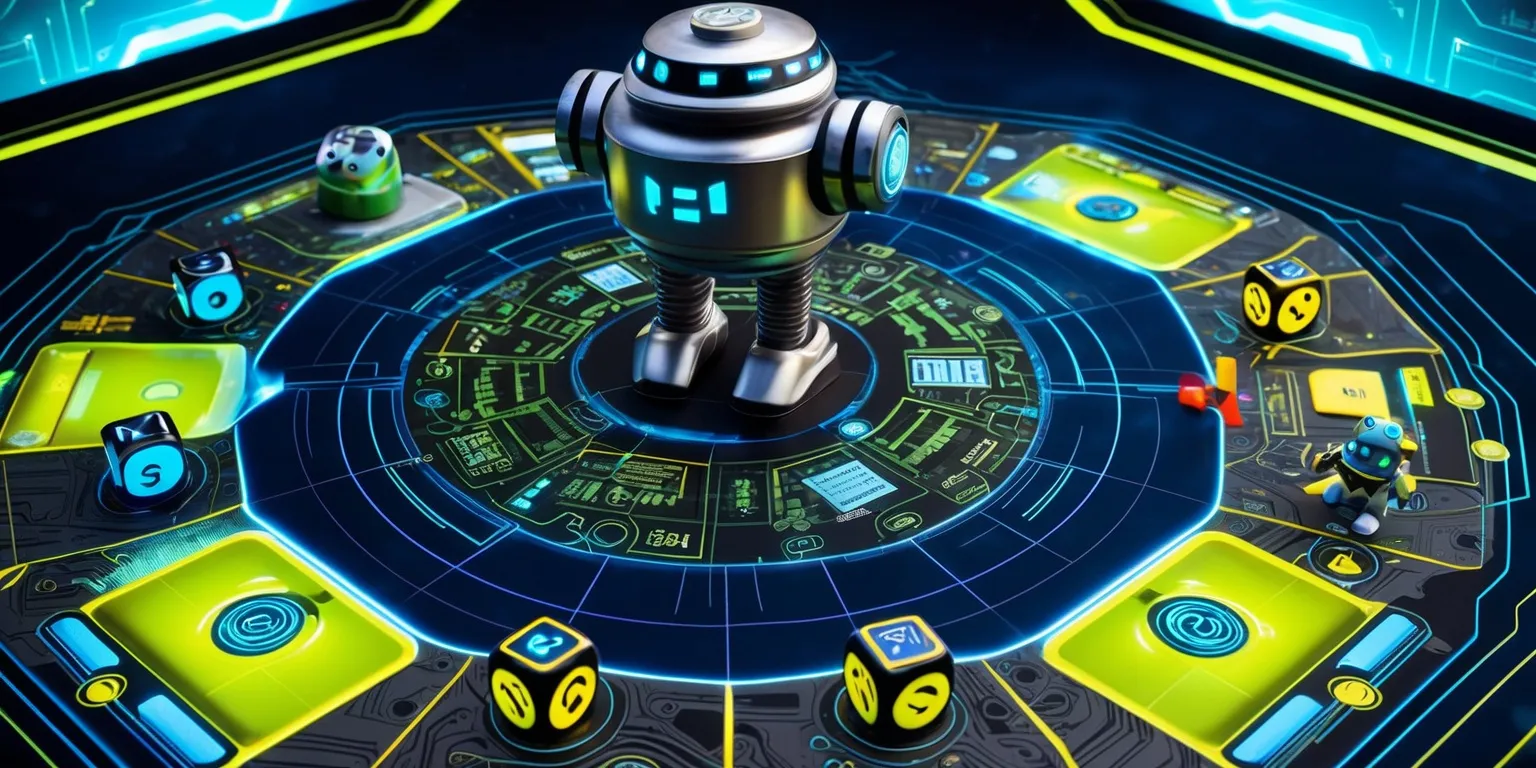
The character tokens introduce a layer of personality that enhances the gameplay experience. Crafted from wood and intricately adorned with cartoon styles, each piece possesses a distinct identity that enhances the bond between the player and their robotic avatar. Despite serving identical functions in terms of game mechanics, these tokens capture distinct characteristics with playful names and endearing visual quirks, encouraging players to become more invested in the unfolding chaos. The art style marries retro-futurism with comic-book vibrancy, an aesthetic that permeates not only the tokens but also the game board and accompanying cards. This blend of expressive artwork with strategic depth creates a game that is as much about enjoying the visual spectacle as it is about mastering the mechanics.
Custom Dice and the Art of Randomness
The set of custom dice stands out as one of the game’s most engaging features. Available in a spectrum of player-specific colors, these dice come engraved with various icons that correspond to programmed movements, integrating Effortlessly integrates into the game’s fundamental systems. The quality of the plastic dice—remarkably weighted and balanced—enhances the tactile appeal, ensuring that every roll is both satisfying and unpredictable. Alongside these innovative dice, a classic black six-sided die enters the fray, serving as a critical component in enforcing time constraints. The mix of specialized and standard dice adds an intriguing element of chance that forces players to carefully weigh their actions, turning every sequence into an engaging display of controlled randomness and tactical unpredictability.
Pre-Programmed Movement and Strategic Assembly
Central to the game’s experience is a reconceptualization of programmed movement, where players pre-plan their series of actions, anticipating both the board’s challenges and opponents’ maneuvers. Rather than relying on a fixed set of cards, players now assemble a sequence of dice-delivered commands. This process demands the skillful juggling of careful planning under time pressure with the inherent risk of randomness. As they select and commit to each die, players find themselves navigating an ever-tightening field of decisions; one miscalculation can cascade into a series of unforeseen missteps. The game ingeniously transforms the planning phase into an adrenaline-driven race against the clock, compelling even seasoned strategists to quickly recalibrate their strategies while staying adaptable amidst rapidly shifting conditions board conditions.
Time Pressure and Tactical Urgency
An essential aspect of gameplay is the subtle yet persistent time pressure that underpins each turn. As players accumulate dice to complete their movement sequences, an unspoken race ensues against the ticking moments of the turn’s progression. The introduction of a conventional die that triggers specific constraints—such as a penalty after multiple designated outcomes—ensures that no one can defer decision-making indefinitely. This element of urgency forces individuals to commit to suboptimal moves at times, heightening the thrill of risk versus reward. The dynamic tempo of the game simultaneously elevates the stakes and adds a psychological layer of tension, where every roll is laden with the potential to either advance a well-laid plan or introduce a ripple of chaos that reshapes the board’s landscape unexpectedly.
Board Dynamics and Modular Mayhem
The modular board is a vibrant tapestry of hazards and assists that richly illustrate the game world. Each play session transforms the board into a unique, hazardous environment filled with conveyors, turning gears, and shifting platforms that alter the course of each robot’s movement. The interplay of movement commands and board effects is a critical facet of the game. As players execute their planned sequences, unexpected board icons come into play—sometimes accelerating progress, while at other moments diverting a carefully calculated strategy. The modularity of the board not only increases the game's replay value but also encourages players to adapt and innovate with every new configuration. This element of unpredictability reinforces the game’s central theme of embracing chaos while formulating strategies that can withstand impromptu board transformations.
Interactive Hazards and Environmental Twists
The game environment is replete with interactive elements that add layers of complexity to each turn. Beyond the physical obstacles, players encounter various damaging and beneficial icons that contribute to the overall unpredictability. Conveyor belts invisibly alter the trajectory of movements, while gears and pits impose penalties on even the best-laid plans. Deliberate placement of environmental hazards pairs with positive icons, such as energy pickups that enable in-game upgrades, weaving a narrative of risk and reward throughout the board. These elements compel players to constantly re-evaluate their approach, as each decision is susceptible to rapid modification by the environment. Such carefully calibrated board effects elevate the game from a mere race to a dynamic challenge where anticipation and the ability to pivot is just as essential as the strategy itself.
Strategic Upgrades and Tactical Enhancements
Supplementing the core dice-based approach, the game introduces upgrade cards designed to amplify both offensive and defensive maneuvers. These cards, acquired through varied in-game methods such as dice outcomes or collectible icons, present new opportunities for players to refine their strategies. The upgrades offer unique capabilities—including refined movement patterns and enhanced counteractions—that carry the potential to dramatically alter the course of a round. Despite a relatively modest number of cards circulating in the game, their placement and application require thoughtful timing and precise judgment. Each upgrade is an invitation to explore alternative paths to success, albeit with the inherent risk that complexity might slow decision-making in a fast-paced setting. The delicate balance of integrating these cards into rapid play sessions underscores the evolving nature of tactical planning within the game.
Chaotic Interactions and Multiplayer Dynamics
The social dimension of the game is amplified by relentless interactions among players. The chaotic engine of gameplay is fueled by the way each robot, guided by its pre-planned die sequence, comes into contact with others in surprising and often humorous ways. When robots unexpectedly redirect one another or accidentally trigger a chain of board events, every round becomes a celebration of the unexpected. The competitive spirit is further intensified by moments when overlapping movements generate sudden shifts in momentum. While individual moments of plan disruption might evoke frustration, they ultimately contribute to an atmosphere of collaborative chaos that epitomizes the game’s charm. In multiplayer settings, the exponential increase in unpredictable encounters makes every session a unique tapestry of challenges, where every participant must be ready for surprises at any moment.