Digital Dystopia Unfurls: Navigating Servitude and Survival in Roman Sands Re:Build
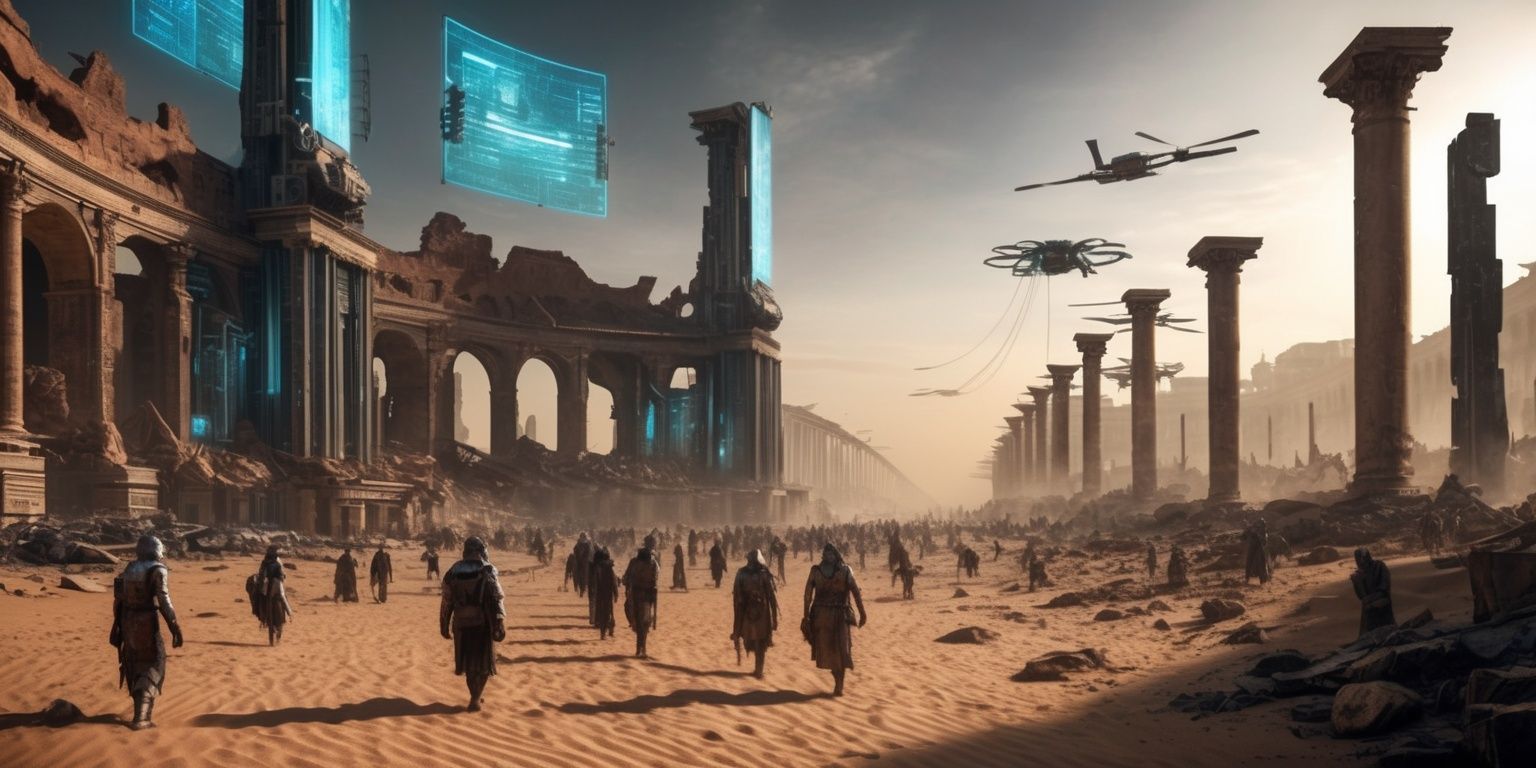
Roman Sands Re:Build invites players into a world where vibrant visuals and puzzling tasks merge with a thematic exploration of servitude and existential survival. Every detail in the experience is carefully designed to evoke an intense emotional spectrum. From the initial disorientation on a surreal beach to the intricate networks of tasks required to appease enigmatic characters, players are challenged to navigate layered gameplay that questions the nature of routine and labor. The creative fusion of vaporwave aesthetics, glitch-inspired visuals, and a palpable sense of decay creates a uniquely immersive simulation that defies conventional categorization. The journey unfolds within dual acts that each demand a different kind of perseverance and mental resilience, setting the stage for an unpredictable confrontation with both external challenges and internal dilemmas.
A Surreal Spectrum of Digital Realities
The game’s opening act immediately draws attention with a distinctive visual palette influenced by vaporwave and glitch art. In this environment, reality seems fractured, as players find themselves washed upon a cursed resort shore. The air is thick with tension and enigmatic beauty, as every element—from the exaggerated sun to the shifting background patterns—exudes a surreal charm. The early stage of gameplay emphasizes repetitive yet challenging tasks that force players to navigate the intersecting realms of duty and despair. Each repetitive chore, whether it is tidying up overlooked spaces or catering to the peculiar demands of the resort residents, builds atmospheric pressure that is as mesmerizing as it is taxing. The balance between stylistic aesthetics and demanding service tasks sets a tone that is both hypnotic and compelling.
The Interplay of Routine and Resistance
Within the confines of the resort, players assume the role of an individual bound to the monotonous cycle of pleasing a quartet of disconsolate residents. This aspect of the game turns what could have been an ordinary simulation into a nuanced exploration of servitude under strain. Engaging in tasks that include everything from mundane cleaning to intricate puzzle solving, players must employ both precision and creativity. The design deliberately mirrors the psychological rigors experienced in real life, where repetitive actions acquire a layered significance over time. The meticulous scheduling of interactions—coupled with dynamic environmental shifts—creates a simulation that is at once a microcosm of exploitative service work and a philosophical examination of duty in an unfeeling world. Every moment challenges perceptions of purpose and the price of productivity.
Challenging Expectations with Dynamic Gameplay
The narrative structure of Re:Build presents gameplay that defies straightforward categorization. As the action transitions, players realize that each completed task reinforces a cycle of service, where even the small victories pave the way for new, unforeseen challenges. The ingenious design ensures that every move made has a consequence, leaving players caught in a relentless loop of anticipation and reaction. What begins as a fast-paced, action-oriented service simulation gradually shifts into a slower, more contemplative rhythm. The intricacies of managing resources, optimizing task sequences, and Striking a balance between individual wellness and… relentless duties serve to deepen the experience. This dynamic manipulation of pace continually calls into question the nature of progress, inviting players to scrutinize every decision with a mindset geared toward survival in a disjointed digital cosmos.
Cultural Undercurrents and Emotional Resonance
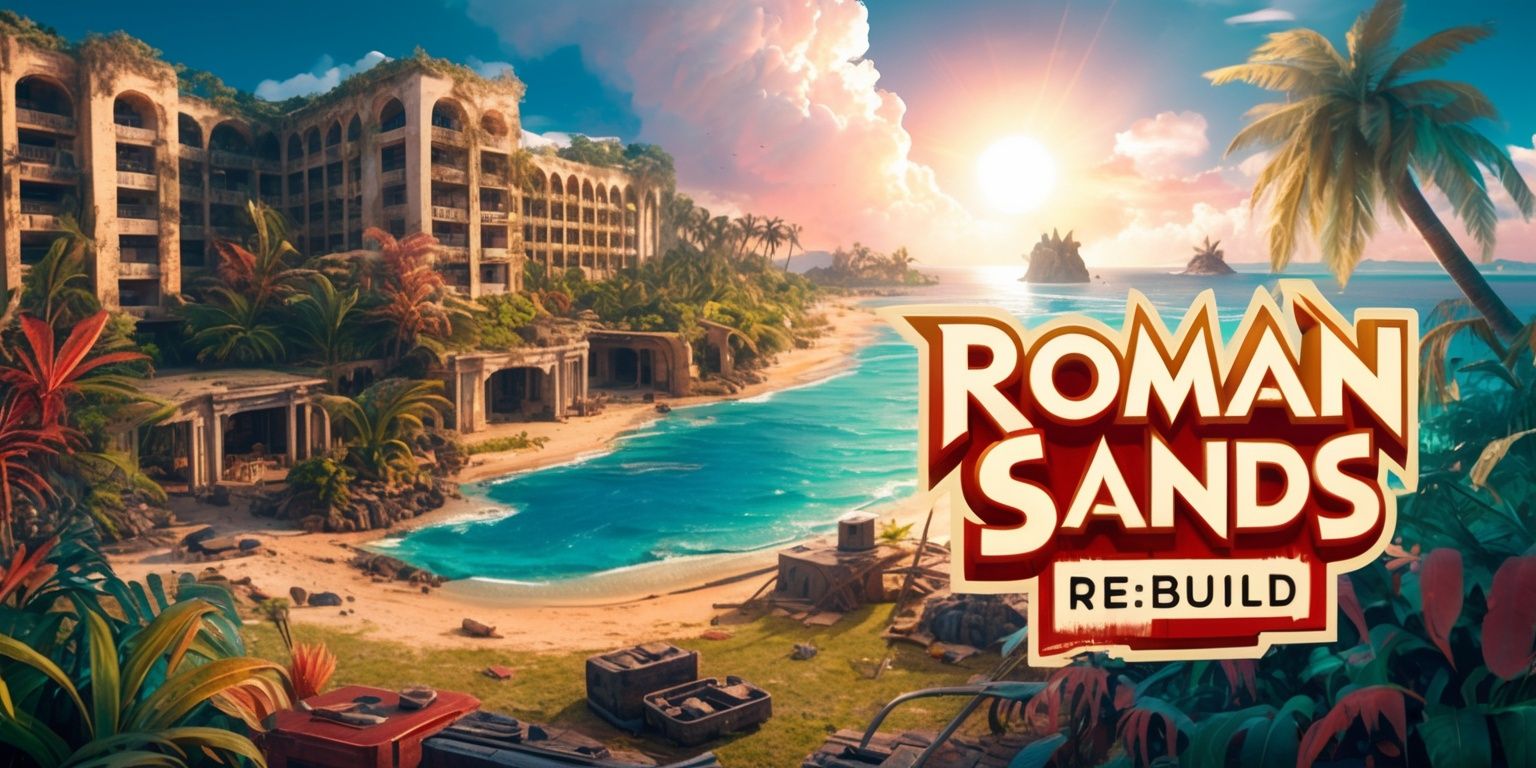
Embedded deep within the game is a cultural analysis of the inherent qualities of work and the oft-unseen toll it takes on the human spirit. The narrative draws parallels with real-world work environments, elucidating the complexities of maintaining personal dignity in contexts that can sometimes appear dehumanizing. The interplay between aesthetic brilliance and thematic substance is profound. Elements of everyday hardship, echoed in the relentless service tasks, resonate with anyone who has experienced the burdens of menial work. The game captures the essence of enduring psychological strain, accentuated by both a frenetic soundtrack and disquieting environmental storytelling. By weaving these realities together, Re:Build transcends basic entertainment, delivering a critique of modern work life "which is as contemplative in content as it is striking in appearance" arresting, provoking a relentless internal dialogue about self-worth and survival.
A Tapestry of Puzzle-Driven Mechanics
Puzzles form a critical backbone to the gameplay, reminiscent of classic explorative adventures. At strategic points in the experience, players are confronted with brainteasers that require both observation and a sharp mind for detail. The puzzles are intricately interwoven with the physical environment, demanding that clues be harvested from both subtle visual cues and the deliberate placement of objects. Far from overtly pointing the way, clues are hidden in plain sight, challenging the player to draw connections between disparate elements scattered throughout the cursed resort. With every piece of the puzzle linked to a central narrative motif, the satisfaction of resolving these mysteries is heightened by the sense of accomplishment in unlocking aspects of the larger existential conundrum. The design rewards mindful exploration and quick adaptability, forging a unique path through carefully crafted layers of logic and intuition.
Service, Sacrifice, and Unexpected Companions
In the midst of the chaotic cycles of labor, players encounter a diverse cast of characters whose personal stories add flesh to the digital world. Each resident embodies a facet of the human condition, conveying the nuanced balance between entrapment and yearning for liberation. Every interaction is laden with subtle hints at deeper motives and unresolved titbits of their past lives. These relationships are not mere distractions but rather essential components of the overall narrative tapestry. A few characters, such as an enigmatic co-worker who holds the secret of the island’s underlying purpose, deepen the mystery and provide a counterbalance to the monotony of daily tasks. The interactions serve as a foil to the relentless service work, injecting moments of introspection and personal intrigue that enrich the player’s emotional journey throughout the game.
Atmospheric Depth and Audio Ingenuity
The auditory landscape of Roman Sands Re:Build is as layered and essential to its identity as its visuals. A frenetic yet carefully tuned drum-n-bass score propels the tension, aligning perfectly with the hectic pace and sporadic moments of calm. The overlapping tones mirror the chaos of the gameplay, creating an audioscape that is simultaneously immersive and unsettling. Ambient sounds, punctuated by the occasional mechanical clatter or the echo of distant footsteps, establish a sense of isolation within a vast, enigmatic structure. These soundscapes not only complement the visual narrative but intensify the overall sensory experience, Compelling players to immerse themselves in the game by appealing to both their emotions and an instinctual level. The audio design is integral to maintaining the volatile, ever-present tension that underscores each twist and turn on the journey.
Mechanics of Survival in a Shifting Landscape
The transition from the frenetic atmosphere of the resort to the somber, claustrophobic environment of the second act is marked by a sharp shift in both tone and mechanics. Here, the game transforms into an exercise in survival where resource management and strategic planning take center stage. Players must navigate a failing research station, battling both environmental hazards and the creeping dread of isolation. Every maneuver, whether it involves manipulating pressure valves or recalibrating system controls, tests the limits of the player’s composure and cognitive function. Despite the inevitable challenges, the narrative infuses each task with an undercurrent of determination. The experience, steeped in metaphorical meaning, forces players to reconcile with their vulnerabilities as they seek solace in the measured progression through a labyrinth of deteriorating technology and existential trials.
Visual Metaphors and Aesthetic Innovation
Roman Sands Re:Build is a masterclass in using visuals as language. The striking aesthetic choices, from the distorted colors of the vaporwave realm to the bleak, oppressive tones of the submerged facility, operate both as a storytelling device and a means of emotional expression. The vivid imagery is not just an ornamental detail but plays a key role in emphasizing the profound internal conflict that players face—a battle between routine obedience and the desperate longing for freedom. Every visual detail, whether a glitched-out light display or the intricately designed orrery puzzle, is crafted to provoke a visceral response. This method of narrative exposition through graphic innovation creates a haunting juxtaposition against the monotonous cycles of task completion. The imagery becomes an essential dialogue between the digital world and the player’s own subconscious, deepening the immersive experience.
Interface Challenges and the Dance of Productivity
While the game’s aesthetic bravado and narrative complexity are in full display, the interface itself poses a unique set of challenges that contribute to the overall experience. At moments where precise inputs are required to solve puzzles or manage environmental systems, the subtle nuances of the user interface become critical. The interface design is layered with both intuitive elements and deliberately obfuscating cues, testing the player’s ability to adapt under pressure. This fusion of hidden and overt mechanics forces a constant negotiation between productivity and vulnerability. As players toggle between different control schemes—from keyboard to controller—the shift in interaction mechanics adds a tactile dimension to the feeling of tension. Every adjustment, every carefully timed interaction, reinforces the core theme of managing an overwhelming workload in a fragmented, disorienting reality.
Unraveling Layers of Existential Duty
At its core, Roman Sands Re:Build is as much an exploration of human perseverance as it is a digital adventure. The game weaves together the mundane rituals of service with the daunting shadows of existential inquiry. Metaphors for modern labor practices are intricately interlaced within both acts, creating a dialogue about the physical and emotional price of ordinary tasks. The contrast between the relentless productivity demanded on the resort and the slow, suffocating challenge of survival in a compromised research facility generates a broad spectrum of emotional responses. This intentional interplay of brutality and beauty forces players to reflect on the very nature of their engagement with the world. Enmeshed in cycles of duty, sacrifice, and solitary contemplation, every action invites a deeper meditation on what it truly means to maintain life in the face of inexorable decay.