Iron Saga: Mastering the Dynamic Dance of Mech Strategy and Tactical Evolution
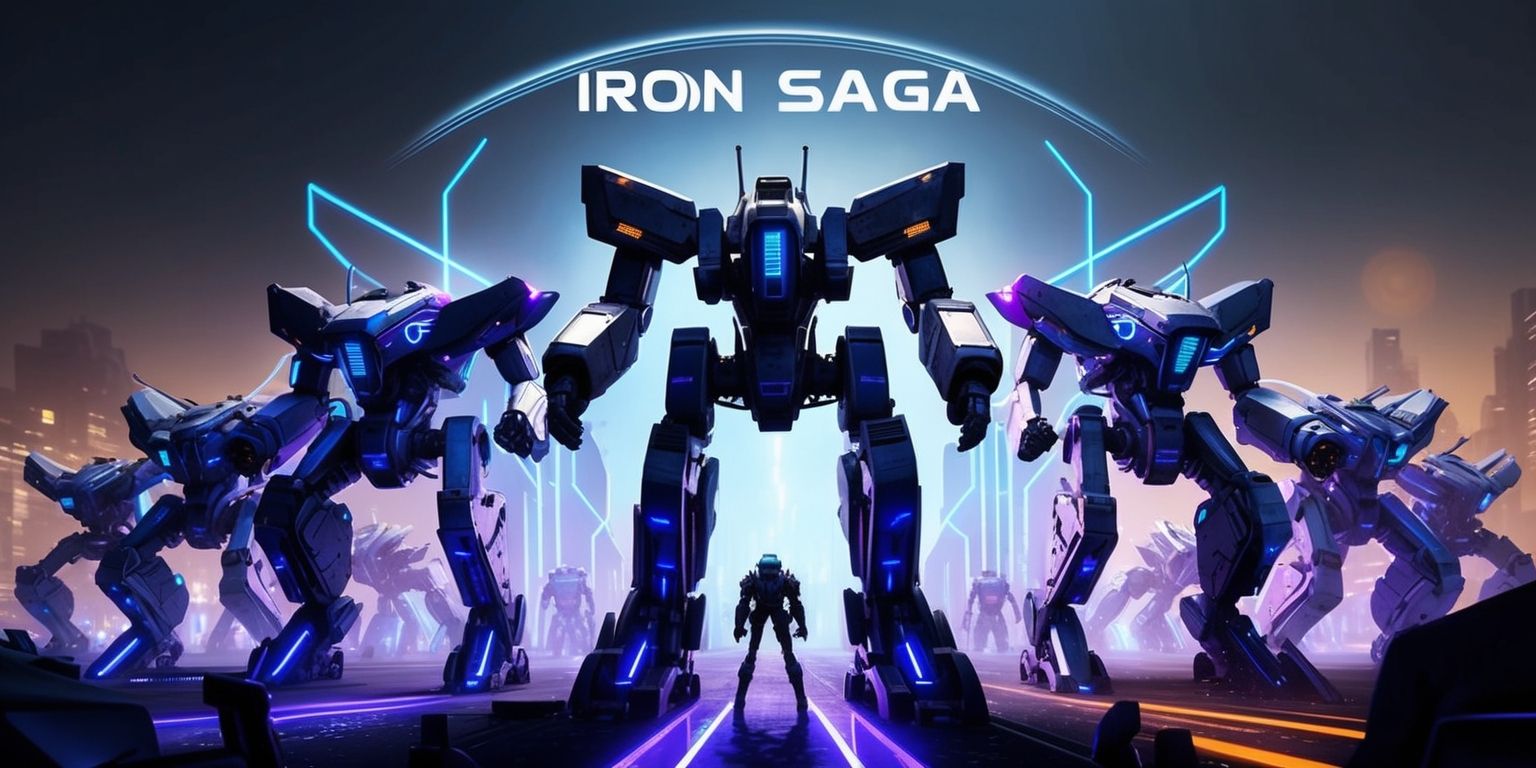
The world of Iron Saga unfolds as a vibrant battleground where strategy, innovation, and captivating design converge on a digital stage. Players are introduced to a universe that marries RPG depth with the fast-paced nuances of an auto-battler. With an ever-shifting meta at its core, the experience calls for both thoughtful planning and spontaneous tactical adjustments. Iron Saga offers a compelling journey where every decision – from pilot selection to the intricate assembly of mech units – plays a critical role in dominating the Arena mode. For those stepping into this realm, understanding the interplay between team synergies and individual unit capabilities becomes essential. The following sections explore a vast array of elements that shape the game, offering unique insights into gameplay mechanics, aesthetics, character creation, and the evolving strategic core that defines this epic robot battle narrative.
Dynamic Arena Strategy and Ever-Changing Meta
The battlefield in Iron Saga is not static, and players need to remain agile enough to adjust to the fluid nature of the meta. In Arena mode, every encounter presents fresh strategic challenges that require a deep understanding of both the pilots and the mechs at your disposal. The shifting competitive landscape ensures that even seasoned strategists must regularly reassess their team compositions. Success in the arena becomes less about relying on a fixed lineup and more about recognizing which unit combinations can exploit current trends. The analysis often centers on units that demonstrate extraordinary synergy and versatility. This dynamic quality pushes players to remain engaged, continuously exploring new tactics that blend offensive and defensive maneuvers to overcome opponents. Mastery in Iron Saga is achieved not through rigidity, but by embracing the nuances of a competitive environment that boasts a blend of unpredictability and formidable challenge.
Innovative Gameplay Elements and 2.5D Visual Depth
Iron Saga captivates contestants with its distinctive 2.5D presentation, merging the charm of traditional side-scrolling aesthetics with modern graphical enhancements. The game’s visual style creates an immersive experience, where the animated sequences and detailed environments elevate the overall gameplay. This blend of classic and contemporary visual design beautifully complements the strategy-based gameplay. The auto-battler mechanics, fused with RPG elements, allow players to revel in both tactical combat and intricate character development. The fluid motions of the mechs, paired with the dynamic movement of pilots in battle, contribute to the game’s signature visual appeal. This immersive presentation not only enhances engagement but invites players to explore each facet of their team’s design, ensuring that every strategy feels both tactical and visually rewarding.
Character Craftsmanship and Pilot Versatility
The craft of choosing and refining pilots is central to the Iron Saga experience. Each pilot has an unparalleled array of skills that can complement the diverse features of their corresponding mechs. Players must balance strengths and weaknesses, ensuring that every member of their squad contributes effectively to the overarching strategy. This emphasis on versatility pushes enthusiasts to consider factors such as pilot skills, compatibility with mech weaponry, and personal playstyle. The strategic layering involved in pilot selection offers a sense of individuality and creative freedom, where no two teams are identical. As a result, the process of team assembly becomes a fine art, characterized by experimentation and the thrill of discovering optimal synergies. In Iron Saga, each decision made while crafting your pilot roster plays a critical component in achieving your success on the competitive front.
Synergistic Team Building and Mech Interactions
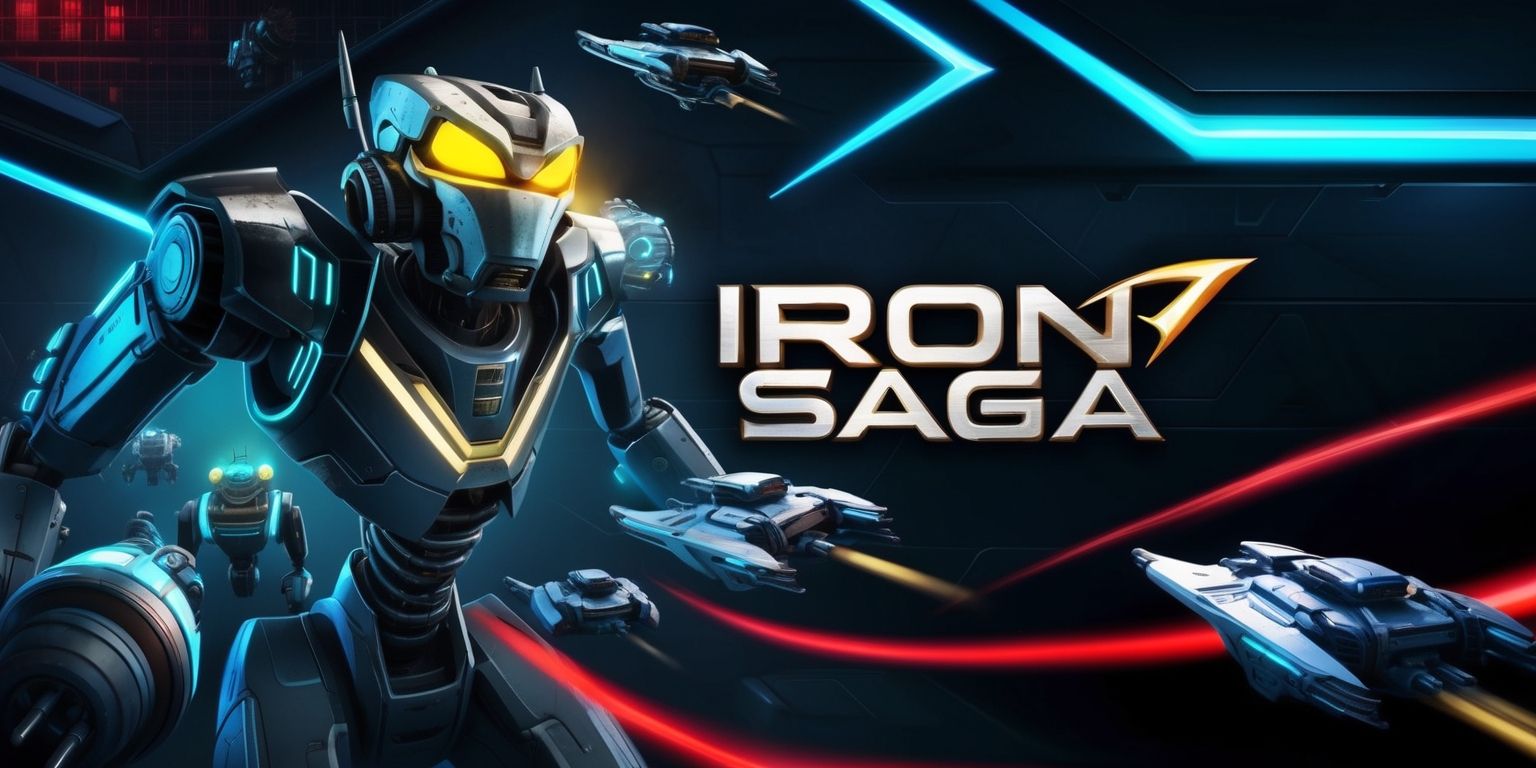
At the heart of Iron Saga lies the intricate dance of team synergy, where the combined capabilities of your mechs and pilots determine the outcome of every skirmish. A well-constructed team leverages complementary attributes and special abilities to overcome formidable opponents. Players are encouraged to evaluate how different units interact, taking into account the range of traits that can provide both offensive pressure and defensive resilience. The auto-battler mechanics add a layer of complexity to these interactions, as every engagement is influenced by the timing and coordination of unit abilities. This focus on synergy transforms team building into an engaging puzzle, where tactical decisions must be constantly adjusted in response to changing metagame trends. Iron Saga challenges players to blend creativity with strategy, ensuring that a harmoniously assembled team can rise to any task in the arena.
Strategic Pilot Selection and Adaptive Capabilities
Choosing the right pilots in Iron Saga means tapping into a deep reservoir of strategic possibilities. Every pilot comes with a distinct set of skills that not only enhances their own performance but also magnifies the strengths of the mech they accompany. As the competitive meta shifts, players find that certain pilots consistently emerge as must-haves due to their ability to adapt to various battle conditions. The evolution of these characters over time and through in-game experiences encourages ongoing experimentation in how they interact with different mechs. A nuanced understanding of each pilot's tactical reach allows for the creation of teams that can switch roles between offense and defense seamlessly. The process of pilot selection is more than just choosing a combatant; it is an exercise in strategic planning that aims at unlocking the full potential of every unit on the field.
Exploring Mech Capabilities and Design Precision
The mechanical marvels of Iron Saga offer a rich array of tactical options for the dedicated strategist. Every mech boasts a set of distinctive features, enabling players to tailor their approach based on specific combat scenarios. The design precision of these colossal units is evident in the balanced mix of attack potentials, defensive structures, and special abilities unique to each model. Player feedback and evolving metagame insights have often highlighted how certain mechs become particularly revered in competitive settings. The decision process goes beyond surface aesthetics and delves into how well a mech can integrate with a chosen pilot's capabilities. This complex interplay means that assembling a formidable lineup is much like composing a sophisticated symphony, where every note and pause must be carefully orchestrated. Observers of Iron Saga will notice that the game rewards both meticulous planning and intuitive adjustments on the fly.
Embracing Adaptive Meta Evolution in Competitive Play
The competitive environment in Iron Saga is defined by its continual evolution, where no single strategy retains dominance for long. This meta evolution pushes players to remain vigilant and responsive to circulating trends. Within this vibrant ecosystem, particular units occasionally emerge as game-changers, their strengths accentuated by periodic shifts in balance. Seasoned fighters make a habit of reassessing their strategies to incorporate new tactics that counter the latest competitive norms. It is this relentless pace of change that both challenges and excites the community, as innovative approaches often lead to unexpected victories. For many, the thrill lies in building a team that is not only robust by conventional measures but also flexible enough to adapt to unforeseen circumstances. Success in Iron Saga demands continuous learning and a willingness to restructure one’s lineup in the face of ever-changing dynamics.
Visual Aesthetics and Immersive Design Innovations
In Iron Saga, the fusion of art and technology creates an immersive battlefield "which offers an equally sumptuous spectacle for the eyes as it does a" challenge for the mind. The game’s designers have invested heavily in producing a world that is both engaging and intricately detailed. The nuanced juxtaposition of illumination and darkness in the 2.5D environment enhances the dramatic flair of each encounter, while the subtle animations of each unit add a tangible quality to the overall experience. Moreover, the visual cues embedded within the interface guide players seamlessly through the tactical decisions required on the fly. The innovative design elements are not merely ornamental; they serve the gameplay by providing critical information in real time. This harmonious blend of functionality and beauty makes each skirmish in Iron Saga both visually arresting and strategically rich, inviting players to lose themselves in its dynamic universe.
Infusing RPG Elements with Tactical Depth
The integration of role-playing game elements with strategic combat has become a defining feature of Iron Saga. The game encourages players to invest deeply in the individual development of their units, resulting in an experience that feels both personalized and expansive. As players progress, the growth of each pilot and mech enriches their tactical repertoire, with upgrades and refinements directly impacting battlefield performance. Through careful management of resources and time, every player can gradually transform a modest starting lineup into a formidable force. This layered system of character progression is complemented by a myriad of customization options, allowing for unique configurations that reflect a player’s preferred style of play. The marriage of RPG progression with auto-battler mechanics infuses each battle with depth, ensuring that every A match represents an ideal chance to experiment with innovative tactics and innovate on the fly.
Mastering the Gacha Mechanism and Resource Strategy
Central to Iron Saga’s progression system is the gacha mechanism, a feature that introduces an element of chance to the acquisition of new units. This element of randomness is balanced by the inherent strategic reward it offers, as players must weigh the outcome of each draw against their long-term team-building plans. The game encourages a careful approach to resource management, where every upgrade and unit enhancement counts toward building a more coherent and competitive team. With a vast pool of mechs and pilots available, the process of collection becomes both a test of endurance and a challenge in strategic foresight. Enthusiasts quickly learn that gathering the right assets requires both patience and a willingness to experiment with different configurations. The unpredictability of the gacha system, Consequently, functions as an enduring reminder of the delicate balance between chance and strategy in Iron Saga’s competitive arena.
Exploring Cooperative Dynamics in Battle Configurations
The collaborative interplay between mechs and pilots forms the backbone of every successful configuration in Iron Saga. By delving into the intricate network of unit interactions, players can discover unique combinations that bring out the best in each character. The nuances of these cooperative dynamics often reveal themselves during intense skirmishes, where timing and positioning become pivotal elements. The game’s design rewards those "who commit the necessary time to fully grasp and become proficient in these" relationships, as the interplay between units often results in compounded effects that can decisively influence the outcome of encounters. Such cooperation requires a fine-tuned balance, as each pilot’s specialized abilities and their mech’s tactical capabilities must align harmoniously. It is this depth of interaction that transforms the game into a living, breathing strategic puzzle, challenging players to continuously innovate and adapt their team compositions for maximum effectiveness.