Reloading Destiny: The Life-Force Gamble of a Supernatural Shooter

The game under discussion unfolds an odd blend of supernatural mechanics and classic shooter elements that daringly experiment with resource management and narrative ambiance. It beckons players into a realm where every choice holds the potential to shape the outcome have tangible consequences on both combat efficiency and storyline progression. Designed to evoke atmospheric dread and curiosity simultaneously, this interactive experience interweaves myth and technology while challenging typical shooter conventions. The gameplay is marked by a unique interplay of risk and reward, where what might seem like a mere game mechanic soon becomes an integral piece of the overall lore. When players set off on this adventure, they will encounter surprises in weapon usage, narrative revelations, and a bewitching yet subtle attempt at deeper philosophical themes.
Innovative Resource Mechanics
Among the most remarkable breakthroughs in this game is its unconventional ammunition system. Instead of ordinary bullets or energy orbs, players must rely on a resource drawn directly from the protagonist's vitality. Each reloading action comes at a cost to personal health, turning every encounter into a tactical puzzle that requires careful balancing of offensive ambition and self-preservation. This system forces players to consider each shot as part of a broader strategy, weaving elements of survival into the shooter framework. The interplay between risk and tactical aggression enriches the gameplay, creating moments where strategic planning becomes as important as quick reflexes. It is a mechanic that challenges traditional gameplay paradigms, inviting players to rethink their approach in every skirmish.
A Journey Through Myth and Mission
The narrative framework of the game centers on its protagonist, a soldier caught between opposing cults. Tasked with infiltrating a seemingly welcoming island regime, the story draws heavily on religious and folkloric subtexts. This internal conflict is reinforced by an enigmatic divine intervention that bestows newfound abilities—while also visibly altering the weaponry. The storyline explores Elements of steadfast belief, selfless dedication, and the toll incurred by… power, weaving these elements into the gameplay mechanics in a way that attempts to challenge players both intellectually and emotionally. However, despite the rich undercurrents of myth and duty, the narrative occasionally stumbles due to uneven character expressions and dialogue that sometimes feels forced. Nonetheless, the amalgamation of story and mechanic makes for a uniquely immersive experience.
Dynamic Combat and Tactical Realizations
Engagements in the game feature a deliberate pace where every action matters, particularly given the health-cost of reloading. Combat scenarios encourage players to stay in a state of constant vigilance and strategic withdrawal, rather than resorting to sheer force. The initial arsenal, while functional, does not meet the soldiers’ celebrated repertoire, imposing a gentle learning curve regarding risk management during fights. As threats emerge with variable speed and aggression, players must often assess the situation before committing to any thunderous maneuvers. This careful approach contrasts with more frenetic shooter styles, emphasizing precision and patience. The combat system, therefore, offers a blend of deliberate pacing and tactical depth that rewards thoughtful play over brute force, adding a layer of complexity to every encounter.
Reloading Mechanics and Health Trade-Offs
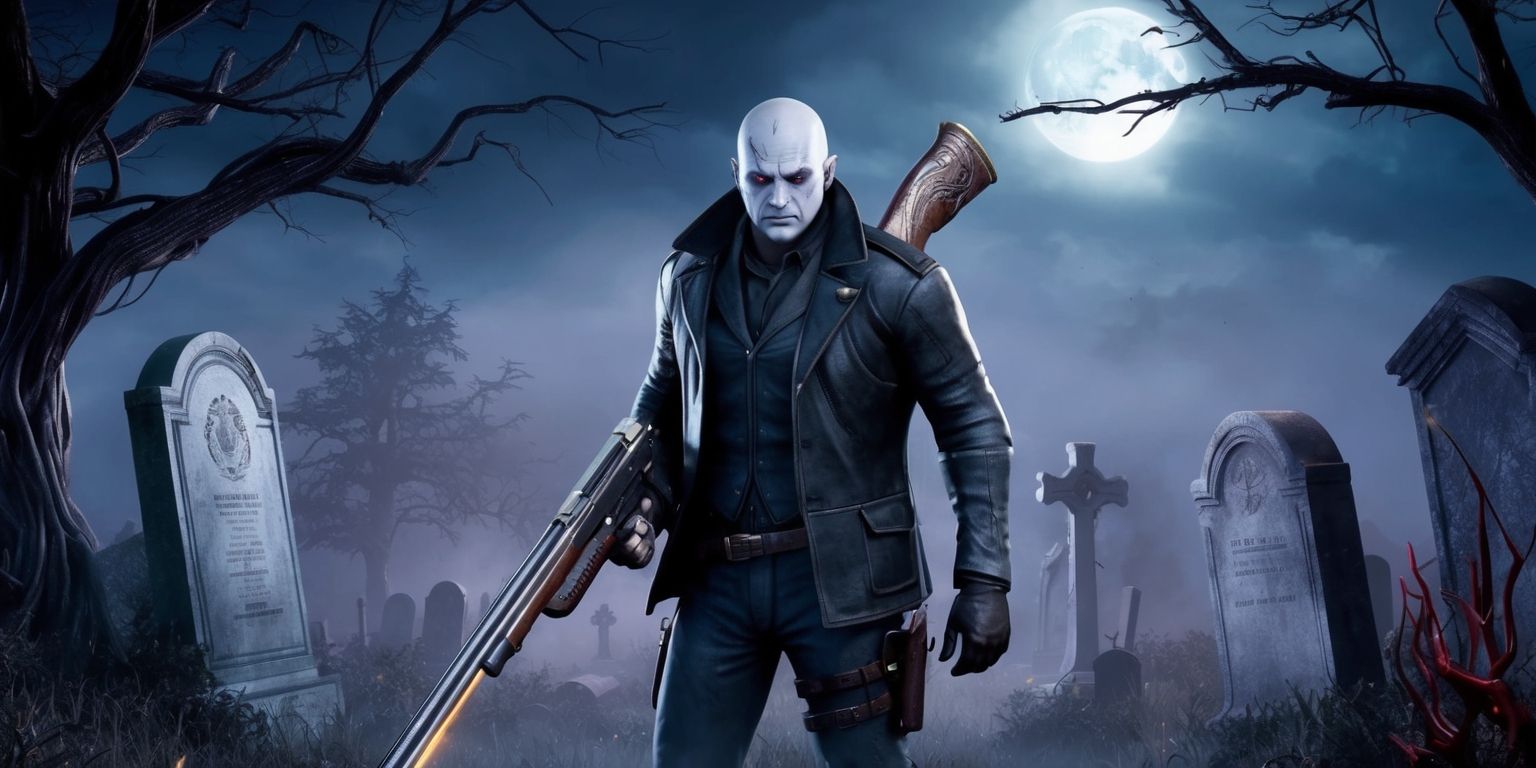
The act of reloading transcends typical gameplay norms, emerging as an overt risk factor. With each magazine refill draining a portion of the protagonist's life force, players are forced to evaluate the costs and benefits of their engagement style continually. This trade-off transforms routine actions into strategic considerations, where timing and location become paramount. The careful selection of when to reload can mean the difference between smoothly progressing through encounters or facing critical setbacks, urging players to plan their movements meticulously. The mechanic instills a sense of urgency, otherwise absent in conventional shooter experiences. Each reload is a calculated risk—a moment where players are reminded that aggressive tactics always come at a tangible, personal cost.
Exploration of Puzzle Integration
Interwoven between combat and exploration are puzzle elements that require patience and observation. The puzzles, scattered throughout the game, add another layer of interaction by challenging the player to decipher patterns or locate crucial elements across a sprawling environment. Although some puzzles may occasionally stretch the limits of seamless integration, they continue to offer intermittent relief from the combat-driven gameplay. These brainteasers range from spatial challenges to clever riddles embedded in the game’s design, prompting players to look beyond immediate threats and engage with the environment in novel ways. By merging thoughtful puzzles with the core mechanics of a shooter, the game creates an ambiance where both brawn and brains are equally valued during the journey.
Visual Style and Environmental Aesthetics
The game presents a distinctive visual approach that calls to mind vintage horror films combined with a modern retelling of dark folklore. With environments filled with decaying structures and eerie illumination, each location reflects an aesthetic designed to evoke both mystery and foreboding. The attention to detail stretches to animated, almost lifelike statues that punctuate the backdrop, lending an uncanny presence to the world. Despite the homage to classic franchises, the visual realization in this game strives to carve its unique niche. The limited articulation in character designs and environmental cues manages to spark imagination, reinforcing the thematic elements of decay and ancient mysticism. The artistic direction, even when not fully comprehensive, continues to be indispensable in laying the foundation for game's distinctive atmosphere.
Nuance in Character Interactions
The dialogue and voice interactions form a subtle yet important facet of the game’s storytelling. Conversations, though occasionally marked by awkward pauses and simplistic exchanges, hint at a deeper narrative background waiting to be explored. The protagonist’s encounters over the radio and direct dialogue provide snippets of mysterious guidance and humor that lighten the otherwise grim mood of the game. These interactions serve to humanize the character and add a layer of drama in critical moments. Even when the dialogue appears stilted, it reveals the underlying tension between divine intervention and human vulnerability. The blend of mystique and light-hearted banter draws players deeper into the narrative, prompting them to invest in a storyline that, while at times superficially constructed, nonetheless carries emotional weight and complexity.
Weapon Evolution and Tactical Diversification
The progression of weaponry plays a significant role in crafting the player’s journey. Initially, the default armament might not inspire confidence, characterized by sluggishness and a lack of finesse. However, as the game advances, opportunities to upgrade and diversify weapon choices emerge. The comparative analysis between the initial firearm and subsequent unlockable options—such as the more sophisticated long-range tools—shows an interesting dynamic. Each weapon brings its own flavor to combat, especially when considering their varying impact on the player’s health during reload sequences. This contrast encourages players to adapt their strategies, determining which arsenal best fits their risk tolerance and combat style. Even though some of the choices might seem less effective at first glance, the gradual reveal of their potential offers moments of satisfying tactical evolution.
Atmospheric Tension and World-Building
Beyond the mechanical innovations, the game attempts to weave an immersive world where every element—from foggy corridors to stark, unsettling landscapes—contributes to a sense of unease and curiosity. Drawing inspiration from well-known franchises, the game endeavors to combine the claustrophobic horror of dilapidated structures with the timeless awe of myth and legend. The blend of supernatural hints and stark realism produces an environment that feels both familiar yet distinctly eerie. Ambient sounds, carefully choreographed lighting, and background details work in tandem to craft a world where every shadow or distant sound might hold a secret narrative. This approach, while sometimes feeling inconsistent, still manages to foster an atmosphere of anticipation, urging the player to look beyond the immediate dangers and appreciate the more subtle cues of the world.
Exploration of Episodic Game Design
At a broader scale, the structure of the gameplay journey feels segmented into episodic passes through varied experiences—from slow-building tension to burst-pacing combat sequences. Each segment introduces fresh challenges and shifts the tone enough to keep the player's focus intact. For instance, certain sequences might prioritize stealth and resource management while others invite quick decision-making in the heat of combat. This episodic design underscores the notion that not all parts of the game are crafted equally, leading to standout moments interwoven with more mundane or frustrating phases. The varied pacing ensures that, even if certain sections might not glow with brilliance, they collectively form a tapestry that segues into moments of unexpected fulfillment. This shifting dynamic keeps the overall experience from slipping into tedious uniformity, even when the design as a whole may occasionally appear inconsistent.